Construction
Efficient solutions from va-Q-tec
As a pioneer in the vacuum insulation industry va-Q-tec develops innovative products for construction insulation. Our insulation solutions on the basis of vacuum insulation panels (VIPs) combine an excellent insulation performance with minimal insulation thickness and maximal adaptability. Especially in projects with very little space for insulation those innovative systems offer a decisive advantage.
va-Q-tec stands for highest product quality and ecological insulations, guaranteed by the unique va-Q-check® control system, and contributes sustainably to energy savings and climate protection.
Why is insulation in construction so important?
The insulation of buildings plays a vital role in improving the energy efficiency and reducing CO2 emissions. Insulation not only ensures a sustainable use of energy, but also increases living comfort by minimising temperature loss and by keeping the indoor climate stable.
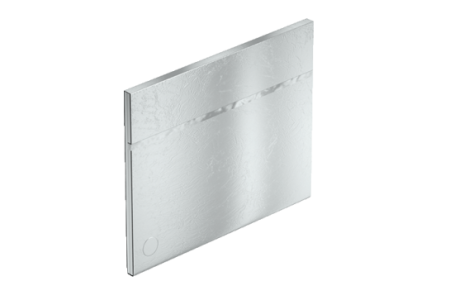
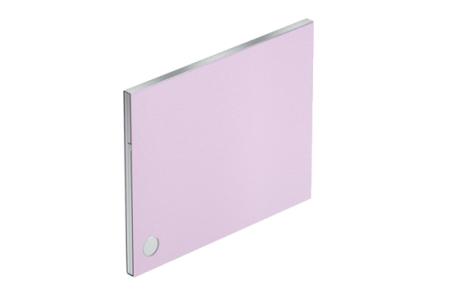
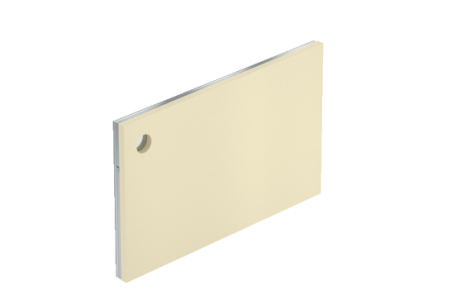
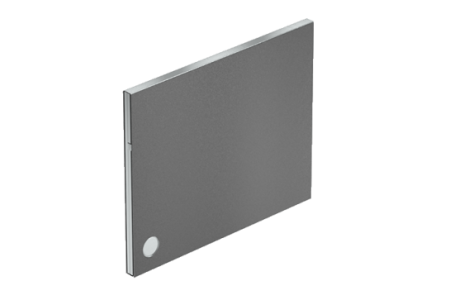
An innovative solution is the vacuum insulation as it is offered by va-Q-tec. This high-tech insulation is based on insulation panels made of different materials as a core, which is enclosed by special barrier films. This reduces the thermal conductivity to a minimum. Compared to conventional insulation materials such as mineral wool or polystyrene, vacuum insulation panels offer a up to ten times better insulation.
This enables to achieve excellent insulation values even where space is limited, making them ideal for renovation projects or modern building concepts. In addition to their compact design, they impress with their durability and environmental friendliness. With its expertise, va-Q-tec supports building owners and architects in realising energy-efficient and sustainable building solutions. From facade to floor insulation, va-Q-tec offers solutions that take both ecological and economic aspects into account.
Products
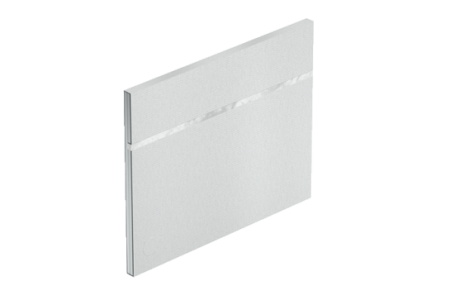
Vacuum Insulation Panels
U-value Calculator
The heat transfer number “U-value” represents the heat transfer through a material as a function of the temperature gradient between the warm and the cold side. The U-value calculator can be used to measure the heat loss with one or several insulating materials. The unit of the U-value is W/m²K (watts per square meter and per Kelvin) and indicates the heat flow through an area of one square meter with a temperature difference of one Kelvin (= 1°C). The higher the U-value, the worse the insulation effect, the lower the U-value, the better the insulation effect.
The U-value calculator is for guidance. Heat transfer resistances of the air are not considered.
- Total
- Thickness [mm]
- R-Value [(m² K)/W]
- R-Value [(h ft² °F )/Btu]
- U-Value [W/(m²K)
Sustainable insulation materials for environmentally conscious construction projects
Sustainability is a key issue in construction projects. Vacuum insulation from va-Q-tec is not only characterised by a high level of energy efficiency, but is also developed with environmental aspects in mind. Our insulation materials help to minimise energy consumption in building operation and reduce CO₂ emissions.
The durable and maintenance-free materials from va-Q-tec guarantee consistently high insulation performance over many years, which not only saves costs but also conserves resources.
Thanks to their extremely low thermal conductivity, they minimise energy loss, even where space is limited. This is how vacuum insulation from va-Q-tec promotes sustainable construction and makes a decisive contribution to energy-efficient and environmentally friendly buildings that meet the demands of modern architecture.
Advantages
Our services
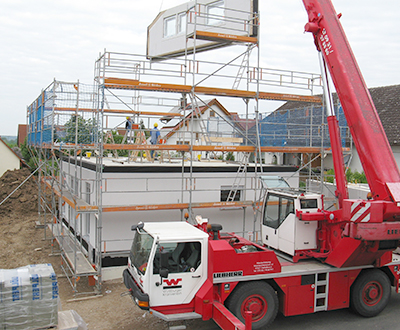
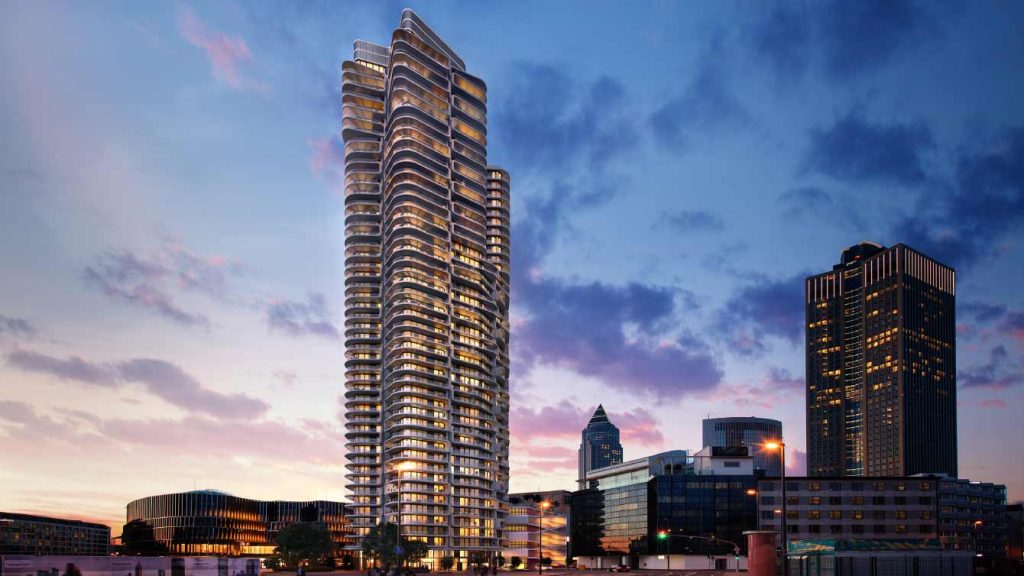
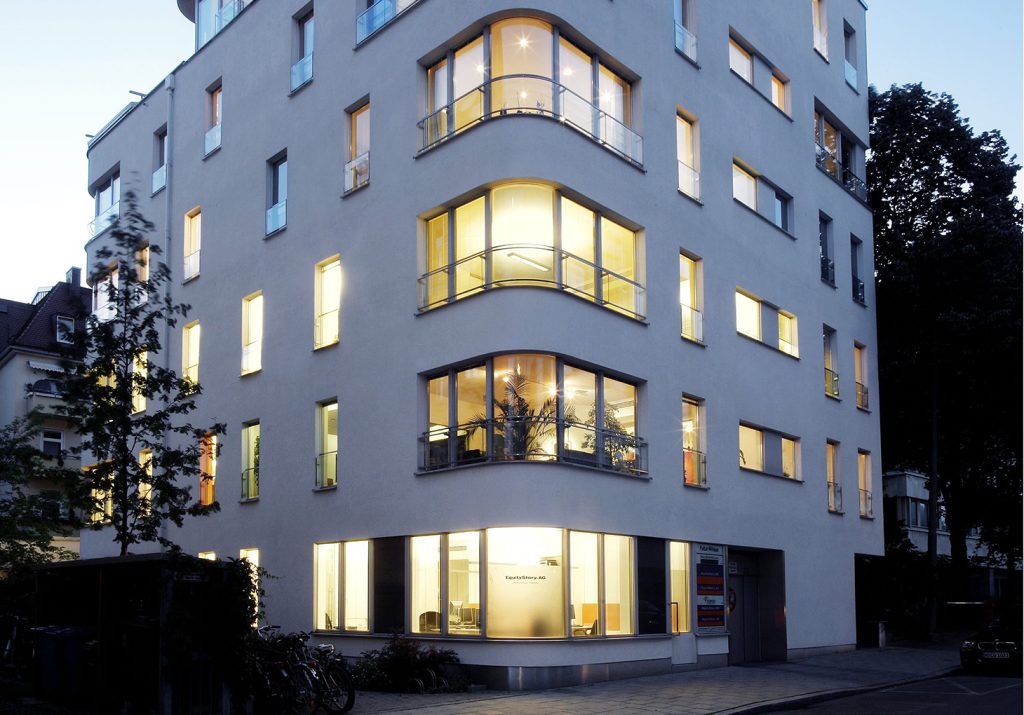
Construction projects often involve specific requirements – from retrofitting terrace insulation and insulating prefabricated houses to implementing complex architectural specifications. va-Q-tec supports you with bespoke insulation solutions which, thanks to their modular design, can be flexibly adapted to meet a variety of project requirements. Whether for new builds or refurbishments: our products combine quality, efficiency and modern technology to meet the highest energy standards, optimise the thermal performance of buildings and improve their energy balance in a sustainable way.
Other business areas of va-Q-tec
In addition to insulation for the construction industry, va-Q-tec also develops solutions for other industries. These include last-mile pharmaceutical logistics, with special packaging for temperature-sensitive medications, and the mobility sector, where our technologies are used for the thermal optimisation of vehicles. And thanks to our insulation techniques, food products are also transported to their destination at the ideal temperature.
Vacuum insulation panels (VIPs) are high-performance insulation materials with extremely low thermal conductivity. They provide up to 10 times better insulation than conventional insulation materials whilst offering the same performance, and therefore require significantly less space. This makes them particularly suitable for urban construction projects, refurbishments and buildings with high energy efficiency requirements.
For example, with the same U-value, a 20 mm VIP panel can replace up to 200 mm of mineral wool or 100 mm of EPS. This allows wall thicknesses to be significantly reduced and valuable usable and living space to be gained – a decisive economic advantage, particularly in urban areas.
Yes. Particularly in the case of existing buildings and listed properties, VIPs are often the only way to meet energy efficiency requirements without significantly altering the appearance of the façade, roof overhangs or window reveals.
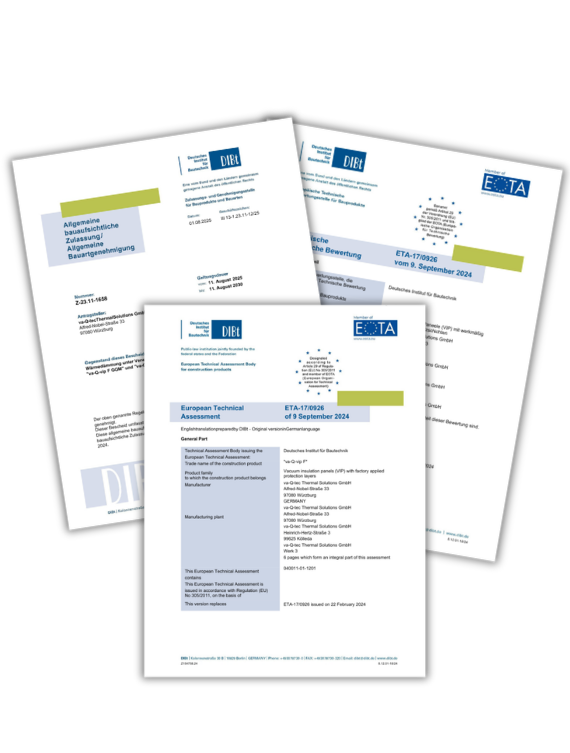
VIPs help ensure compliance with the GEG thanks to their very low thermal conductivity values (e.g. λD = 0.007 W/(m·K)). They are approved by the building authorities and enable constructions that comply with building regulations in both new builds and refurbishments.
VIPs are specifically tested for ageing and retain their insulating performance for at least 25 years – in practice, often for up to 60 years – depending on the application. This makes them more durable than many conventional insulation materials.