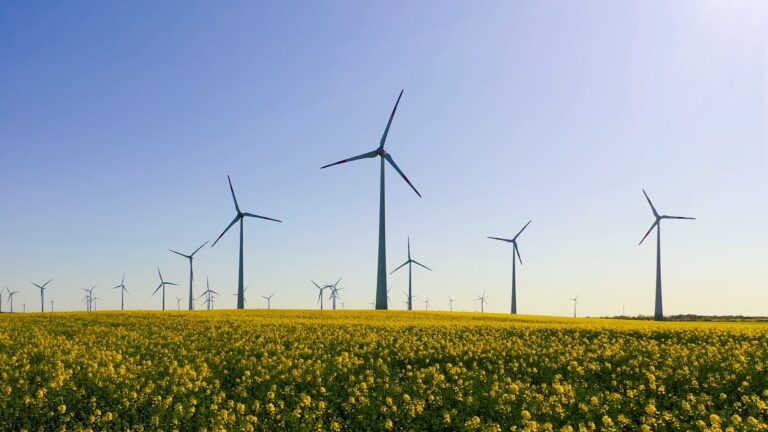

The BDV Sustainability Committee outlines practical ways to improve energy efficiency, conserve resources, and enhance competitiveness
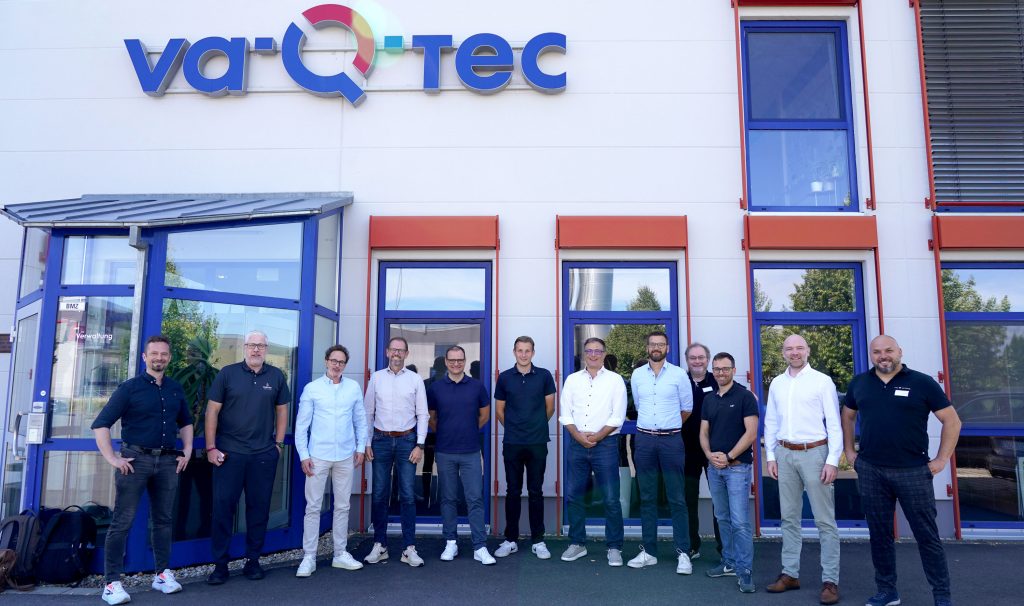
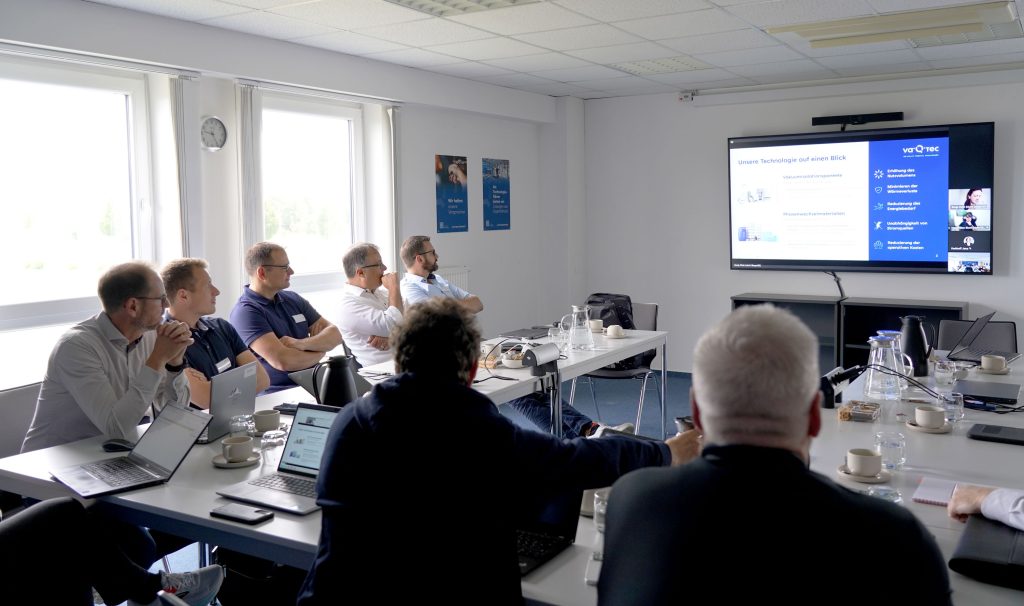
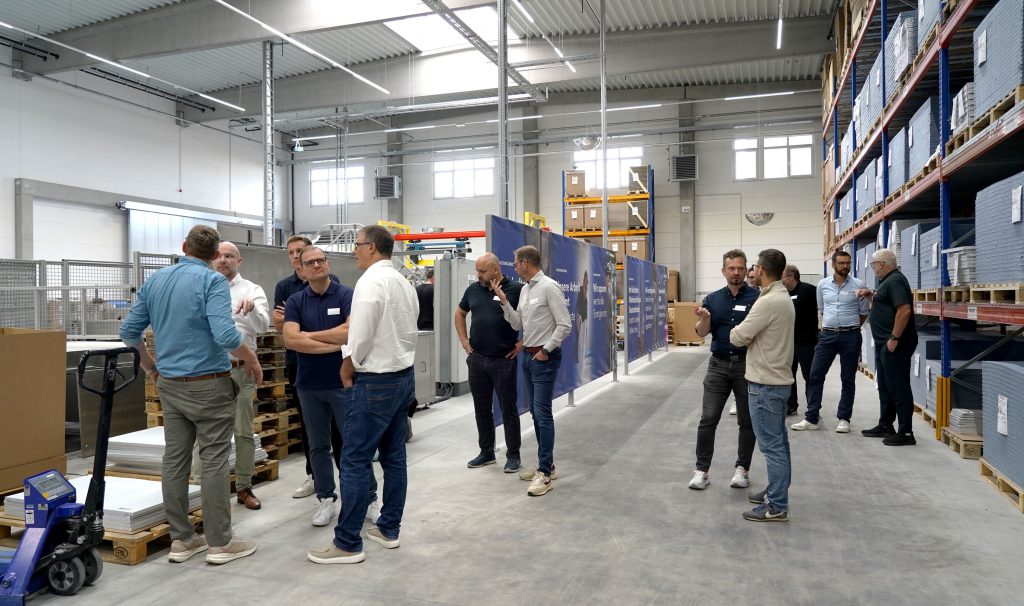
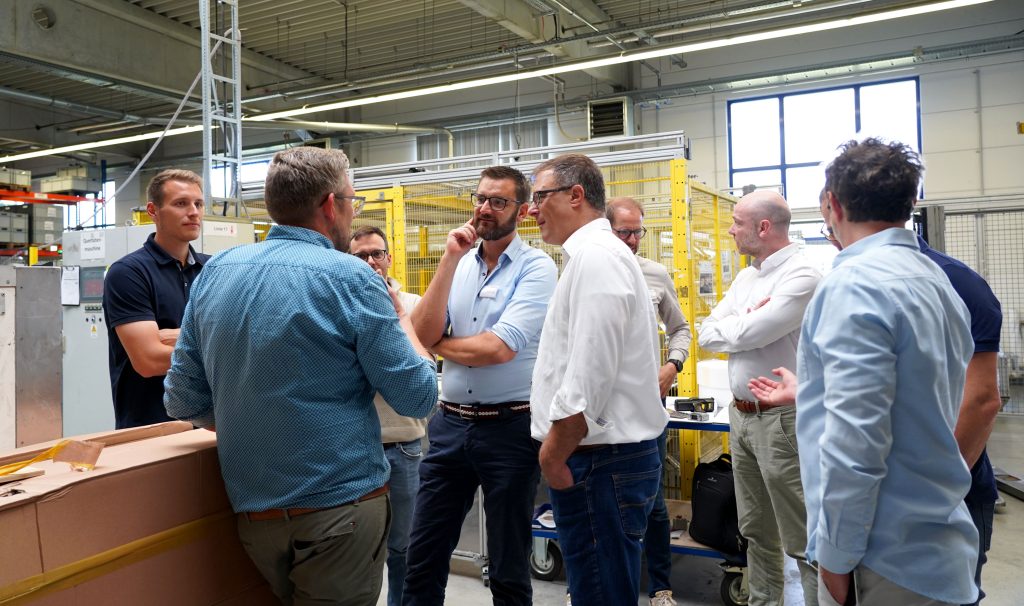
Sustainability has long been more than just a social trend: It is driven by political goals and is increasingly becoming an economic necessity for companies. The vending industry is actively shaping this development and demonstrating how sustainability can be implemented in everyday life through technical innovation, efficient processes, and new concepts – from energy-efficient operations to the further development of modern vending machine technology. This was evident at the most recent meeting of the BDV Sustainability Committee on July 8, 2026, hosted by va-Q-tec – a pioneer in advanced solutions for thermal energy efficiency and temperature-controlled supply chains – in Kölleda. The focus was on practical examples from operations, coffee, equipment development, the cold chain, packaging, and regulatory requirements.
Sustainability is a guiding principle
The BDV – the Federal Association of the German Vending Machine Industry (e. V.) supports the industry by providing expert information, facilitating knowledge-sharing platforms, and conducting committee work on key future-oriented topics. The Sustainability Committee makes it clear that sustainability in the vending industry is not an abstract guiding principle, but a concrete task in day-to-day business operations.
Maximilian Blum of Blum Vending KG summarizes the holistic approach: “Sustainability doesn’t just mean being ‘green.’ It’s about structuring a company in such a way that it remains economically, environmentally, and socially viable for the next generation as well.”
The key insight here is that sustainability is everywhere. It begins in the company’s own facilities with energy-efficient building systems, solar power, LED lighting, motion sensors, heat pumps, and smart use of self-generated electricity. It continues in the vehicle fleet—for example, through electric vehicles, charging infrastructure, optimized routes, and a more conscious approach to delivery routes. And it becomes visible at the point of sale: through efficient vending machines, a more sustainable product selection, regional suppliers, recyclable packaging, and viable return or reusable systems.
Innovation and the right logistics are crucial
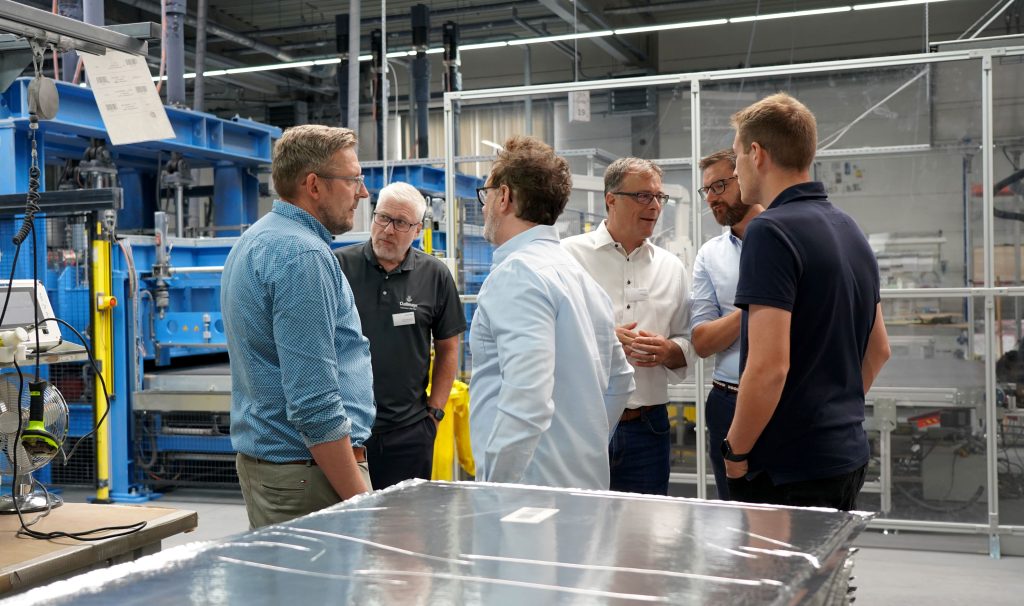
„Especially when it comes to fresh and temperature-sensitive products, the right logistics are key to quality, food safety, and energy consumption,“ explains Marc Moelter of va-Q-tec. „Passive, highly insulated coolers, pre-picked merchandise, temperature-monitored delivery processes, and consistent cooling performance can help reduce the need for active refrigerated transport while ensuring product quality all the way to the vending machine. This shows that sustainability doesn’t mean sacrifice – it means better processes.“
Equipment development also plays a key role. Modern vending machines and hot beverage systems must not only be reliable and user-friendly, but also designed to be energy-efficient, durable, repairable, and recyclable. Insulation is an often-underestimated factor in this regard – for both cold beverage machines and hot beverage vending machines, for example through insulated boilers and pipes. Every kilowatt-hour saved has both environmental and economic benefits. “Energy efficiency starts with the design: energy-efficient components, sensible software settings, energy-saving modes, and good insulation,” explains Nils Dörre of Sielaff.
Communication as a Key Factor in Acceptance and Credibility
When it comes to coffee and filled products, it became clear that credible sustainability requires honest communication. Certifications, organic and Fair Trade offerings, origin, farming projects, and product quality are important building blocks. However, rigorous implementation remains crucial: Sustainability should not end with coffee alone, but should also encompass cocoa, milk, energy consumption, packaging, and vending machine operations.
Sustainability is a personal choice
At the same time, sustainability must be tailored to the location, the product range, and the respective customer group. “There is no such thing as ‘the’ customer. Some pay very close attention to sustainability, while others do so less,” explained Stefan Heuberger of Alois Dallmayr Automaten-Service GmbH & Co. KG. That is why the product offering must be tailored to the location and the user group.
Another topic was packaging and regulatory requirements. The PPWR and national implementation measures will increasingly occupy manufacturers, distributors, and operators in the future. It will become more important for companies to know what packaging is being used, where it comes from, who is considered the responsible manufacturer, and what obligations arise from this.
Sustainability is increasingly becoming part of the “vending DNA”
The BDV Sustainability Committee makes it clear: The industry already has numerous practical starting points at its disposal. Those who consistently apply them can reduce costs, conserve resources, and credibly demonstrate to customers that vending is part of modern, efficient, and responsible supply solutions.
BDV Managing Director Dr. Aris Kaschefi sums up the results of the committee meeting: “In the vending industry, sustainability is not a project with a beginning and an end, but rather a continuous improvement process—from the operating facility to the vehicle fleet to the vending machines.”
ABOUT THE BDV
The Federal Association of the German Vending Machine Industry (BDV) is the leading trade association for manufacturers of beverage and food vending machines, as well as for vending machine service providers (“operators”) and food manufacturers active in this sector. The BDV has approximately 430 members, about 220 of whom are independent vending machine service providers, mostly regionally active, medium-sized companies. Collectively, the vending machine service providers belonging to the BDV account for about two-thirds of the total market.